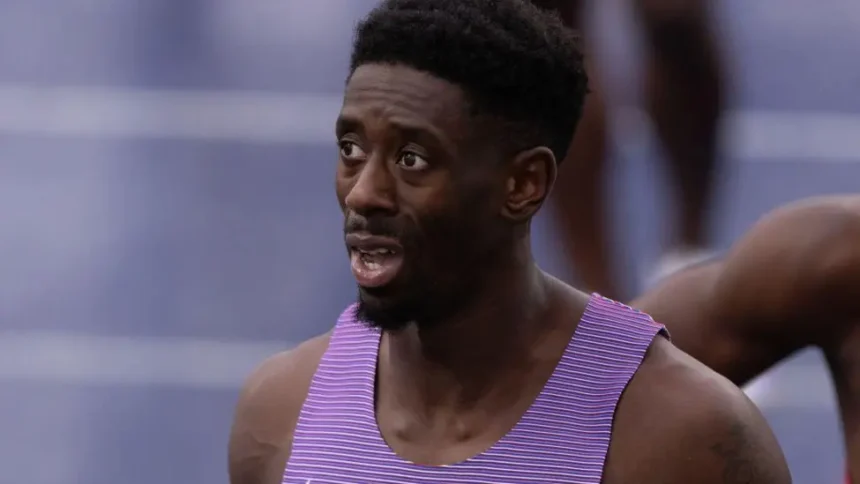
British sprinter Nethaneel Mitchell-Blake Prescod has strongly dismissed suggestions that he is using performance-enhancing drugs to prepare for the proposed Enhanced Games, insisting he remains a clean athlete.
Prescod, one of Britain’s leading sprint talents, addressed the growing speculation surrounding athletes allegedly being approached to compete in the controversial Enhanced Games — an event that has sparked global debate for its stance on relaxed anti-doping regulations.
Speaking publicly, Prescod made it clear that he has not taken any banned substances and has no intention of compromising his integrity or career.
“I am not taking drugs, and I’ve never taken drugs,” Prescod said. “I’ve worked hard my entire life to compete at the highest level, and I’m not going to throw that away.”
The Enhanced Games concept has attracted widespread criticism from sporting authorities, athletes, and anti-doping bodies, who argue that it threatens athlete welfare and undermines the principles of fair competition. While organisers claim the event promotes transparency and scientific advancement, many within elite sport remain firmly opposed.
Prescod acknowledged being aware of discussions around the Games but stressed that his focus remains on sanctioned competitions governed by World Athletics and established sporting bodies.
“I want to compete on the biggest stages, against the best, under the same rules,” he added. “That’s what real sport is about.”
Athletics officials have repeatedly warned athletes that participation in unsanctioned events linked to doping-friendly environments could result in bans from recognised competitions, including the Olympic Games and World Championships.
Prescod’s clarification comes at a time when elite sprinters are under increased scrutiny, with social media speculation often fuelling unverified claims. His statement aims to reassure fans, sponsors, and governing bodies of his continued commitment to clean sport.
As debate around the Enhanced Games continues to grow, Prescod’s stance aligns with the wider athletics community’s call to protect athlete health, credibility, and the future of competitive sport.